


Every mature man knows what impotence or erectile dysfunction is.It is this that is one of the main fears of men of any age and social status.Today there are a lot of different medications for restoring potency, but almost all of them are aimed only at eliminating symptoms, but do not affect the causes of impotence, which, by the way, can be quite numerous.Therefore, such drugs provide only temporary results, require a gradual increase in dose and ultimately lose their effectiveness.
Accordingly, in modern andrology and urology, the influence on the causes of the development of erectile dysfunction, which differ greatly in the mechanism of impotence, is brought to the fore.Only by directly influencing the causes of potency disorders can the problem be completely solved, and not temporarily restored to the ability to perform sexual intercourse.

Features of male anatomy
The male reproductive system, i.e. the activities of the penis, testicles, appendages, etc., is controlled by the frontal lobes of the cerebral cortex, the sympathetic and parasympathetic nervous system.At the same time, endocrine-humoral mechanisms and sex hormones also directly influence its activity.
The frontal lobes, through the involvement of neurohumoral factors, the somatic and autonomic nervous systems, are responsible for the control of sexual behavior.Achieving an erection is ensured by the activity of the parasympathetic nervous system, while ejaculation is controlled by the sympathetic nervous system.
The parasympathetic nervous system is part of the autonomic nervous system with centers in the spinal cord and brain, which is responsible for relaxing the muscle fibers of the walls of blood vessels, etc. The sympathetic nervous system is the opposite of the parasympathetic part of the autonomic nervous system, the centers of which are located in the spinal cord and are responsible for contracting muscle fibers, putting the body on “combat” readiness and generally mobilizing its capabilities.
Expert Opinion of a Doctor
The autonomic nervous system malfunctions in every person from time to time, and, as a result, we have poor general health, which contributes to the emergence of the syndrome of autonomic dystonia, autonomic failure and autonomic crises, as well as somatoform disorders, so-called organ neuroses.All this is also a trigger for erectile dysfunction.Such neuroses are treated with the help of general massage, physiotherapy and physical therapy.
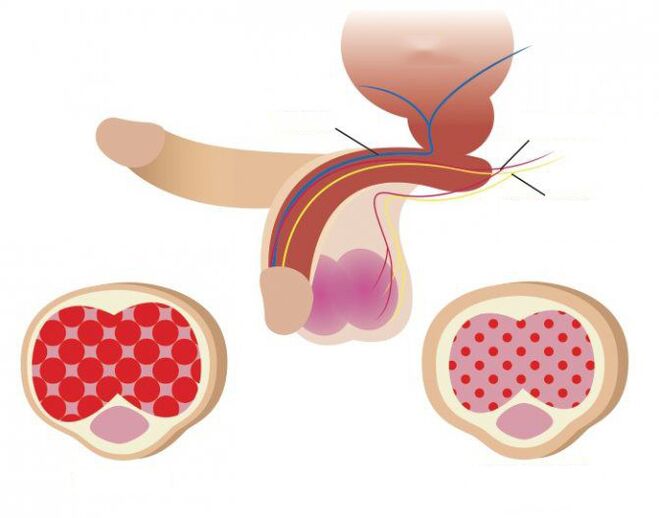
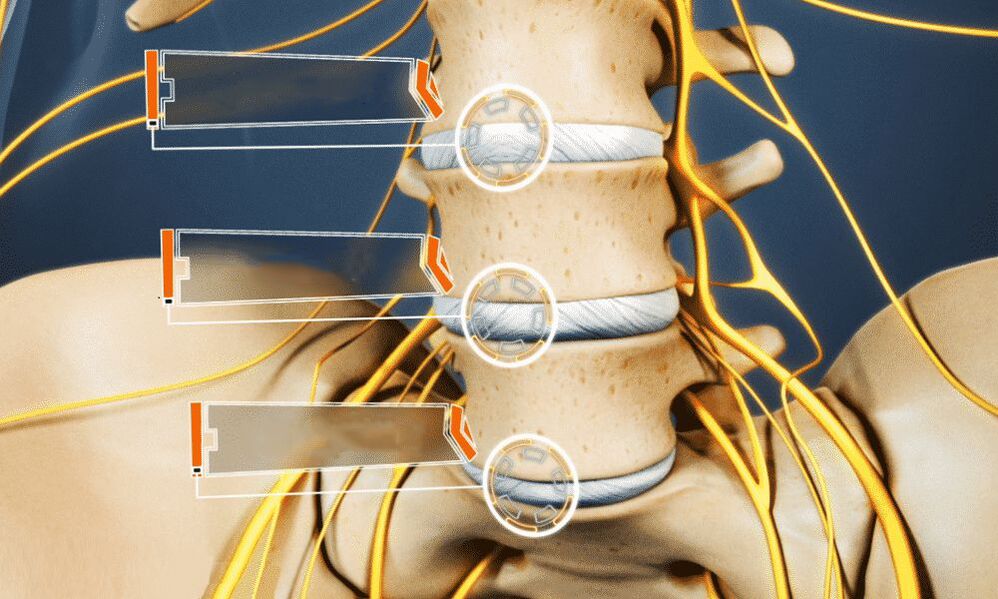
During an erection, the walls of the cavernous bodies of the penis relax and the lumen of its blood vessels increases.This process is triggered by the somatic and autonomic nervous systems with the involvement of regulatory centers located in the spinal cord.From it, through the spinal roots branching off at the level of the 3rd lumbar vertebra and further branching into smaller nerves, the nerve impulse is transmitted directly to the walls of the blood vessels and cavernous bodies of the penis.Therefore, changes in the lumbar spine can block this process, which will lead to impotence.
In men, the spinal cord ends at the level of the 1st lumbar vertebra, passing into a large nerve plexus called the cauda equina.It received this name due to its significant external resemblance to the tail of a horse, since it is formed by a large number of nerve fibers descending vertically down the spinal canal and exiting in pairs through natural openings in the vertebrae to innervate the corresponding organs.
In addition, sexual function is controlled through endocrine-humoral mechanisms, i.e., the testicular-pituitary-hypothalamus system.In this case, the synthesis of seminal fluid and tissue nutrition is determined by the level of sex hormones.The adrenal glands are responsible for their production.They secrete almost 2/3 of androgens and up to 80% of estrogens, which are precursors of male sex hormones.But the activity of the adrenal glands is directly related to the functioning of the thyroid gland.Therefore, disturbances in its functioning, like the adrenal glands and the hypothalamic-pituitary system, can lead to persistent impotence.
The hypothalamus is a part of the brain and is both a hormone-secreting gland and a center of autonomic nervous regulation.
As a result, during sexual arousal, nitric oxide begins to be synthesized in the cells of the walls of the arteries of the penis through the activation of testosterone synthesis by hormones of the hypothalamic-pituitary system and the transmission of nerve impulses.It provokes relaxation of the smooth muscle fibers of the vascular wall, which causes their expansion.Therefore, the volume of blood entering the penis increases.It fills the cavernous or cavernous bodies, which ensures that the penis increases in size and acquires the hardness necessary for sexual contact.At the same time, the venules through which blood flows from the penis contract.As a result of a decrease in their lumen, the rate of blood outflow decreases, which ensures the maintenance of an erection for the required period of time.
Reasons and features of development
Not long ago it was believed that up to 90% of all cases of erectile dysfunction are caused by psychological disorders.But the research carried out forced us not only to doubt this, but also to refute such statements.They showed that 60-80% of cases of impotence are caused by organic disorders.It is worth noting that we are not talking about a decrease in potency and various degrees of erectile dysfunction, but rather about impotence, that is, an extreme degree of erectile dysfunction in which it is not possible to obtain a stable erection with the achievement of the rigidity, volume and straightness of the penis necessary for sexual intercourse.
With impotence, men complain of a lack of sexual desire, which is combined with a complete absence of not only desired erections, but also spontaneous ones.
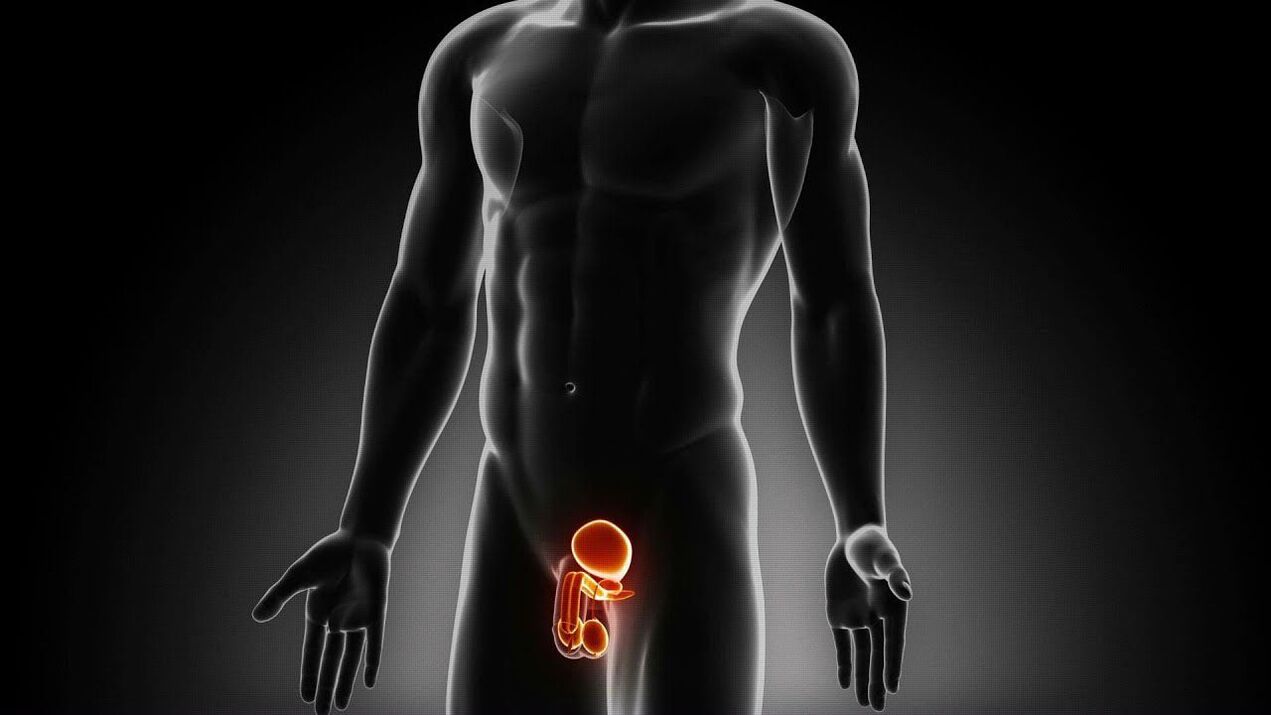
Understanding the relationship and features of the functioning of the male reproductive system, it is not difficult to establish the main reasons for the development of impotence.This:
- spinal and pelvic injuries;
- degenerative-dystrophic changes in the intervertebral discs of the lumbar spine (intervertebral hernia, protrusion);
- curvature of the spine (scoliosis, lordosis);
- disturbances in the functioning of the hypothalamic-pituitary system and hormonal disorders;
- vascular disorders, including strokes, atherosclerosis, hypertension, structural anomalies of the cavernous bodies of the penis and circulatory disorders in the organs of the reproductive system as a result of the development of prostatitis or prostate adenoma.
Today, according to official data, impotence is diagnosed in 40-50% of men aged 40 to 50 years, in 50-60% of men aged 50-60 years and in 60-80% of men over 60 years old.At the same time, there is every reason to believe that in reality the situation is even more difficult, since not all men have the courage to consult a doctor with such a delicate problem.
In many ways, such statistics are due to a decrease in the amount of testosterone produced after 40 years and the progression of previously developed pathologies of the spine and blood vessels.At 50-60 years of age, natural hormonal changes occur with a decrease in the volume of synthesized testosterone.This leads to a decrease in libido and, accordingly, the need for sexual contact.But even men at the age of 60 are able to maintain a normal erection to perform full sexual intercourse in the absence of other disorders.The only difference is a decrease in their frequency.
One of the most common causes of impotence in men of all ages, including at 40 years of age, and sometimes even earlier, is neurological disorders caused by infringement of the spinal roots responsible for the innervation of the vessels of the penis.They become compressed or damaged as a result of spinal injury or compression from a curved spine, bulging discs, or other structures.
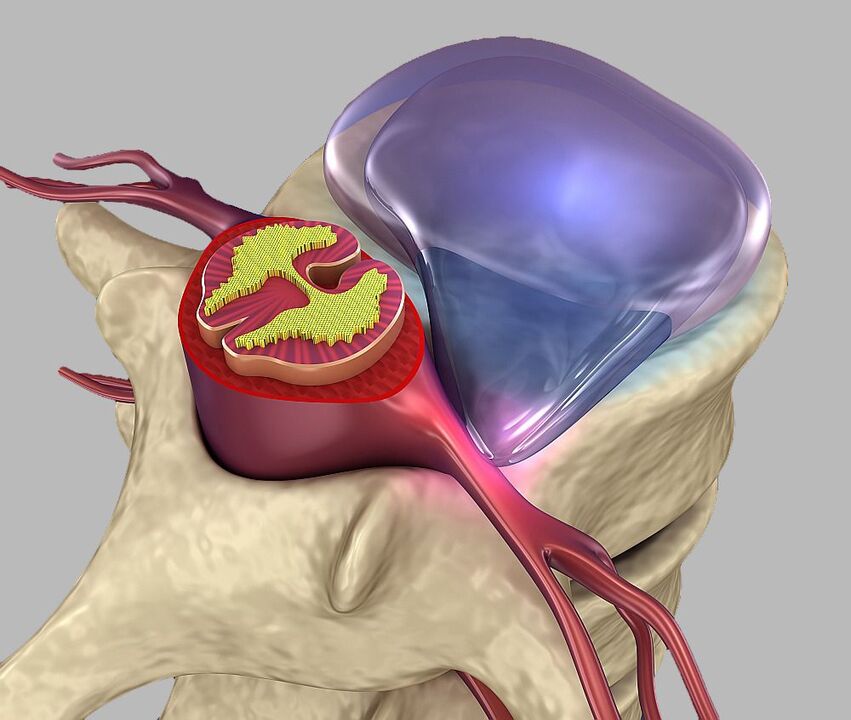
In this case, they speak of the presence of neurogenic impotence.Since the filling of the cavernous bodies of the penis with blood is controlled by the nervous system, if disturbances occur in the transmission of nerve impulses from the brain to the penis, even when a desire arises, the body is not able to transmit a signal about this and provoke an active flow of blood to the cavernous bodies.Most often, this is observed when the nerves passing through the spine at the level of the 3rd vertebra are pinched.
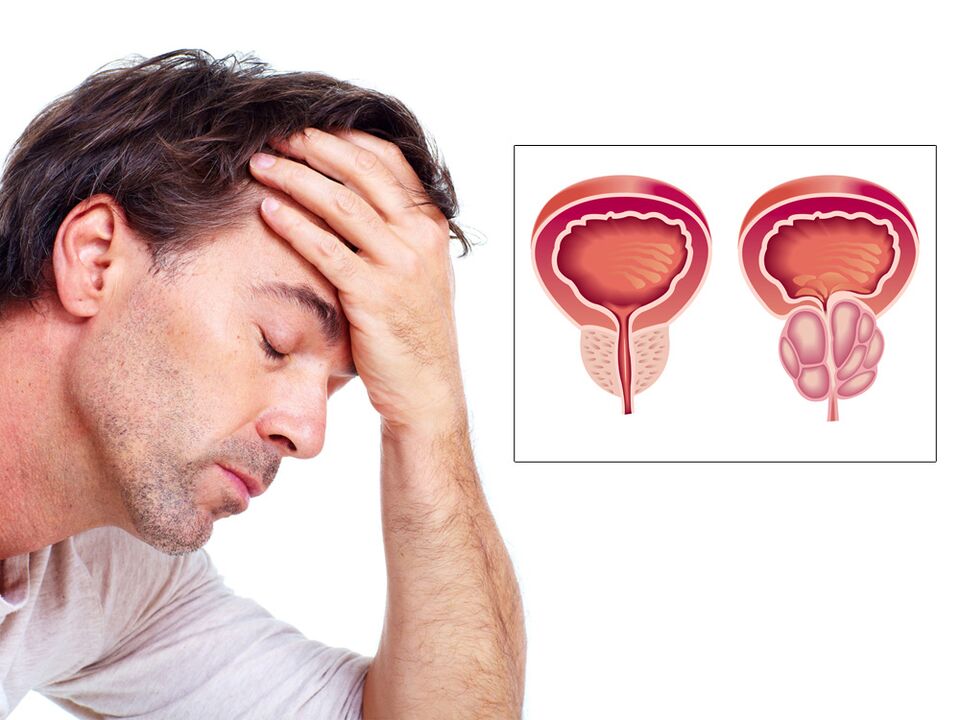
Another common cause of impotence is prostatitis, or inflammation of the prostate.Today, this disease in a chronic form occurs in men before the age of 40, and after 50 years it is observed in almost every third man.In this case, impotence is often the only symptom of inflammation of the prostate gland.
Prostatitis, like impotence, can be a consequence of circulatory disorders in the pelvic organs as a result of the development of vascular or neurological disorders.
Prostatitis provokes discomfort and pain in the perineal area.In addition, the resulting swelling of the prostate gland leads to compression of the blood vessels, which reduces the intensity of blood circulation in the pelvic organs.In addition, cytokines produced in response to inflammation make it difficult to transmit nerve impulses to the prostate.At the same time, its functioning is disrupted, which helps to reduce the synthesis of testosterone, which is responsible for sexual function.All this together inevitably makes it impossible to fully fill the cavernous bodies with blood and leads to loss of potency.
Expert Opinion of a Doctor
Prostatitis in the modern world is the result of a careless attitude towards one’s health.As a rule, this is a consequence of untreated colds that have become chronic, postural disorders and physical inactivity.Therefore, it is necessary to sanitation of chronic foci of infection, since prostatitis can also be caused by opportunistic flora (for example, coccal flora), which develops in the caverns of the prostate gland.In addition, it is necessary to change your attitude towards sexual life, activating it.
Types and consequences
Based on what causes the development of impotence, the following types are distinguished:
- Neurogenic impotence is very common and is caused by disturbances in the transmission of nerve impulses to the smooth muscle muscles of the penis.It is characterized by a decrease in the sensitivity of the penis and a progressive reduction in the frequency of erections, including spontaneous ones in the morning.
- Vascular, divided into arteriogenic and venogenic.The first is a consequence of impaired blood flow to the cavernous bodies, which is a consequence of changes in the condition of the genital and cavernous arteries.The second occurs against the background of dilation of the veins of the penis, which provokes an overly active outflow of blood.Vascular impotence is characterized in the initial stages of formation by uncontrolled ejaculation, as well as decreased erection stability.
- Hormonal - becomes the result of a hormonal imbalance, which is most often observed against the background of diabetes mellitus and other endocrine pathologies, leading to inhibition of testosterone production and its absorption.
There are several other types of impotence, for example, anatomical, genetic, etc., but they are much less common than those described above.
Whatever the type of impotence, it is always a serious problem for a man.First of all, the inability to perform sexual intercourse leads to difficulties in personal life, loss of self-confidence and psychological problems.Often, impotence becomes the cause of increased aggressiveness and the development of severe depression in men of any age, especially when it develops in fairly young years - at 40-50 years old.This cannot pass without a trace; as a result, relationships with loved ones and colleagues become tense, conflicts often flare up, which can lead to loss of a job and a deterioration of the psychological state, up to the appearance of suicidal or, on the contrary, antisocial thoughts.

But, in addition to psychological difficulties, impotence has an extremely negative impact on a man’s health.Constant stress provokes aggravation of existing chronic diseases and also negatively affects the immune system.Therefore, a man becomes more susceptible to the development of various infectious diseases.Also, constant psychological stress often causes disturbances in the functioning of the gastrointestinal tract, heart, and lungs.Therefore, the following often develop or worsen against the background of impotence:
- gastritis and peptic ulcer of the stomach and duodenum;
- IHD, angina pectoris;
- bronchitis, etc.
Therefore, it is extremely important not to ignore the problem of impotence, attributing it to age and coming to terms with the situation, but to begin to act, look for the causes of sexual dysfunction and ways to solve it.This is true not only at 40 years old, but also at 50 and 60 years old.Comprehensive diagnostics and targeted treatment of detected disorders will help not only restore normal potency and return a man to a full sexual life, and at the same time psychological comfort, but also eliminate diseases that, if left untreated, can lead to severe and sometimes life-threatening complications, as well as disability.
Diagnostics
In the absence of potency or the initial stages of erectile dysfunction, a man needs to contact an andrologist, and if there is no such specialist in the city, a urologist.During the initial consultation, the doctor will listen to the patient’s complaints, assess his psychological state and examine the groin area for signs of genital diseases.In the absence of such, the doctor prescribes a set of diagnostic procedures, the main purpose of which is to detect pathologies of other organs and systems that provoked the development of impotence.This:
- UAC and OAM;
- analysis of the level of sex hormones, thyroid hormones, etc.;
- blood test for sugar levels;
- determination of blood pressure level;
- PCR for the presence of sexually transmitted diseases;
- Ultrasound of the genital organs;
- palpation of the prostate gland to assess its condition.
If these studies do not show visible deviations from the norm, the patient will be recommended to consult a neurologist, since neurogenic impotence is quite common today.During the consultation, the neurologist will examine the patient, and first of all he will be interested in reflexes, the condition of the spine and the fullness of movements of the limbs.To determine the presence of changes in the condition of the spine, the doctor uses the palpation method and performs functional tests.Based on the results obtained, he can determine the presence of changes in the condition of the spine.But to confirm the diagnosis, as well as accurately determine the degree and nature of the pathology, instrumental research methods are required:
- X-ray or CT are the main methods for diagnosing deviations from the norm in the condition of the bone structures of the spine, therefore they are more often used to detect scoliosis, lordosis, etc.;
- MRI is the best method for detecting changes in the condition of soft tissue structures, including intervertebral discs, spinal cord, etc.;
- myelography is a method that allows one to assess the quality of transmission of nerve impulses to muscles, which provides information about the degree of neurological deficit caused by compression of the spinal roots.
Features and nuances
In general, treatment of impotence can be divided into symptomatic and etiotropic.In the first case, all efforts are aimed directly at achieving adequate potency, and in the second, at eliminating the causes of its loss.The first way involves getting results here and now, while the second is more complex and allows you to eliminate problems with potency completely, but gradually.Therefore, today they usually combine symptomatic and etiotropic therapy, which provides the patient with a rapid restoration of psychological comfort, as well as an improvement in his overall health.
Therefore, treatment for impotence usually includes:
- drug therapy aimed at restoring potency and treating diseases that cause impotence;
- manual therapy, which improves the quality of blood circulation in the pelvic organs, as well as eliminate pathologies of the spine and restore the normal transmission of nerve impulses to the smooth muscle fibers of the penis;
- kinesiotherapy, which consists of training the pelvic floor muscles, as well as the back and abdominal muscles, which consolidates the results of manual therapy and is extremely important for neurogenic impotence.

All patients are recommended to:
- stop smoking, drinking alcohol and drugs;
- increase the level of physical activity, especially when leading a sedentary lifestyle, sedentary work, etc.;
- make adjustments to the diet, bringing it as close as possible to a healthy diet;
- reduce weight if there are signs of obesity, especially abdominal obesity;
- avoid stressful situations.
You can often find recommendations to use vacuum pumps or pumps to treat impotence.But this method does not have any therapeutic effect and does not always provoke an erection.However, it carries the risk of pain during ejaculation, bruising, and pain or numbness in the penis itself, and is therefore not recommended by urologists.
Drug treatment
The first step after identifying the causes of impotence is to prescribe medication therapy appropriate to the situation.It consists of prescribing remedies to restore potency and eliminate diseases that provoke problems with it.

Symptomatic treatment of impotence mainly involves the use of drugs to stimulate erection, i.e. PDE-5 inhibitors.In some cases, the administration of vasodilators is prescribed, which temporarily activates blood flow to the cavernous bodies of the penis.But they also do not have a therapeutic effect and can only solve the problem of impotence for a short time.
Etiotropic therapy, or therapy aimed at eliminating the causes of erectile dysfunction, is more complex and comprehensive.Moreover, its nature directly depends on the causes of impotence:
- in case of pathologies of the thyroid gland, diabetes mellitus, appropriate hormonal medications and/or hypoglycemic agents are prescribed, which should be taken on an ongoing basis to maintain normal hormonal balance;
- for prostatitis, antibiotics, α1-blockers, and homeopathic remedies are indicated, and therapy is selected individually depending on the causes of prostate inflammation;
- for vascular pathologies, it is recommended to take medications that normalize blood pressure, lower cholesterol levels in the blood, and manual therapy;
- for spinal pathologies that cause compression of the spinal roots, drugs are used to restore altered intervertebral discs, B vitamins, muscle relaxants, NSAIDs and some others.
PDE-5 inhibitors
Phosphodiesterase-5 or PDE-5 inhibitors are a group of drugs well known to most men for solving the problem of erectile dysfunction.They are based on active substances that inhibit the production of a special enzyme phosphodiesterase-5.It is responsible for suppressing cyclic guanosine monophosphate (cGMP), which is a product of biochemical transformations triggered by nitric oxide.cGMP leads to a decrease in smooth muscle tone, and hence the expansion of the cavernous bodies of the penis, i.e., the occurrence of an erection.Therefore, PDE-5 inhibitors, by reducing the activity of phosphodiesterase-5, “extend the life” of cGMP, which ensures long-lasting and stable erections even against the background of natural age-related changes.
All PDE5 inhibitors work only on demand, meaning they require sexual arousal to be effective.
PDE5 inhibitors include:
- Sildenafil is the first drug to appear on the pharmaceutical market to increase potency.It has the shortest duration of action - up to 4 hours, and begins to act 45-50 minutes after administration.But sildenafil is not compatible with alcohol, and also often provokes the development of side effects (redness of the face, nasal congestion, headaches, discomfort in the heart area).
- Tadalafil has the longest duration of action - up to 36 hours, and the effect occurs 15-20 minutes after administration.Tadalifil is usually well tolerated and rarely causes adverse effects.
- Vardenafil is a drug that acts for 5-12 hours with the onset of effect 30-45 minutes after administration.One of the advantages is its compatibility with alcohol, but its use should still be avoided, as it negatively affects the condition of blood vessels.
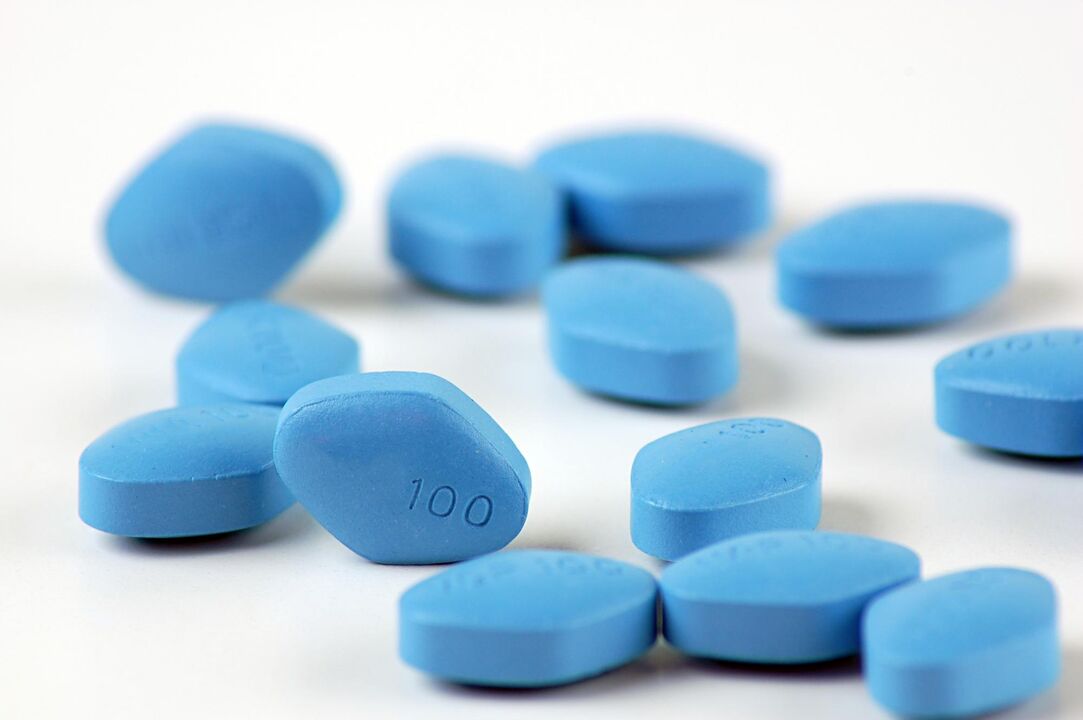
Drugs in this group are available in different dosages.In most cases, the urologist recommends starting with the minimum dose and increasing it only if there is no effect.You should take FED-5 inhibitors no earlier than an hour after eating.This will ensure the fastest possible absorption of the active substance and the possibility of obtaining an effect.If you take the drug with food, the speed of onset of the effect is reduced.
It is important not to take more than the recommended dose during the day.This increases the likelihood of side effects and may adversely affect the functioning of the cardiovascular system.
It is important to consult a doctor before starting to use such medications, as they have a number of contraindications:
- severe cardiovascular diseases, in particular angina pectoris and ischemic heart disease;
- abnormalities in the structure of the penis;
- cases of priapism (prolonged painful erection) in the past;
- optic neuropathy;
- suffering a stroke or heart attack during the last six months.
It is not recommended to combine PDE-5 inhibitors with α-blockers or nitrite-based drugs.Such combinations can cause serious complications.
PDE-5 inhibitors allow you to obtain adequate potency in almost all cases.But with their uncontrolled use, the body initially develops addiction, which necessitates the need to increase the dose to obtain the same result.

Thus, today impotence is not a death sentence.Every man at almost any age can face it, especially representatives of “sedentary” professions and those associated with excessive physical activity.But when such a delicate problem arises, it is important not to be shy and self-medicate, but to consult a doctor.Moreover, the sooner a man seeks medical help, the faster he can get rid of the problem of impotence, and further reduce the risk of developing other complications that can provoke diseases that lead to erectile dysfunction.